

Which one fits your site?
All three run the same silicon and the same AI. What differs is where the device lives and how it gets its power, so pick by deployment, not by capability.
Swipe the table sideways to compare all three
| Specification | 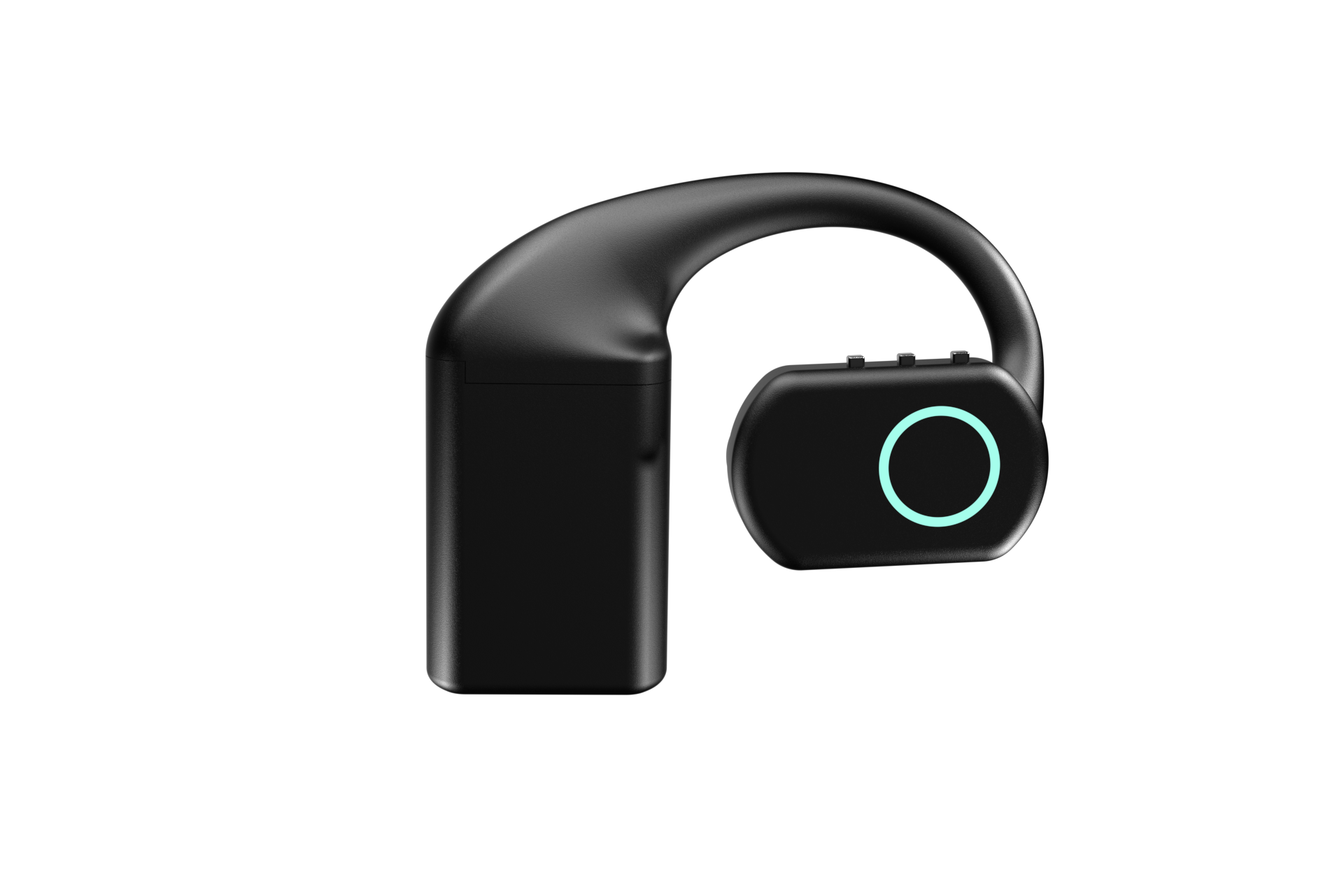 QuickComm Earpiece $350 per unit | 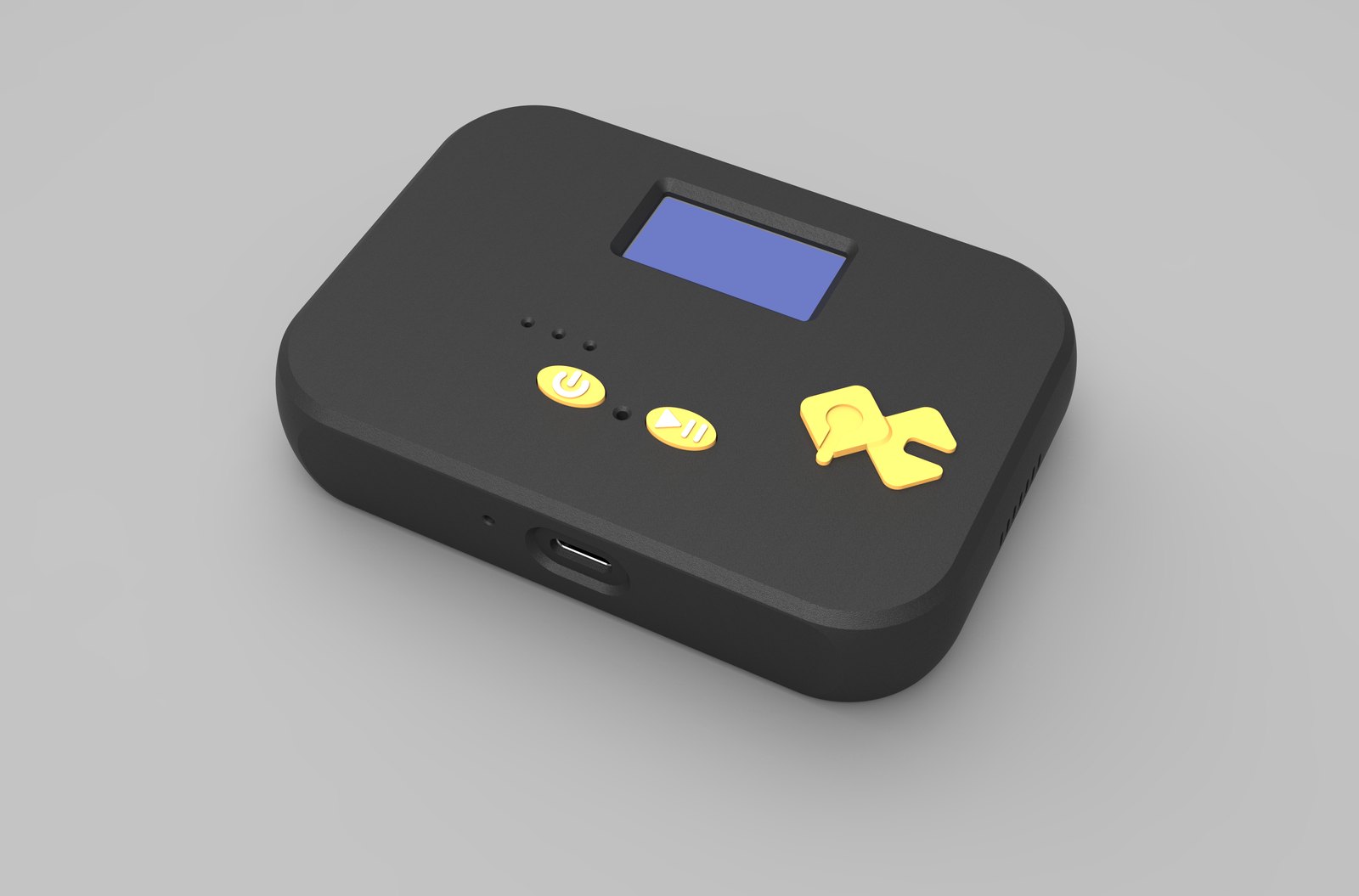 QuickComm Table Top $200 per unit | 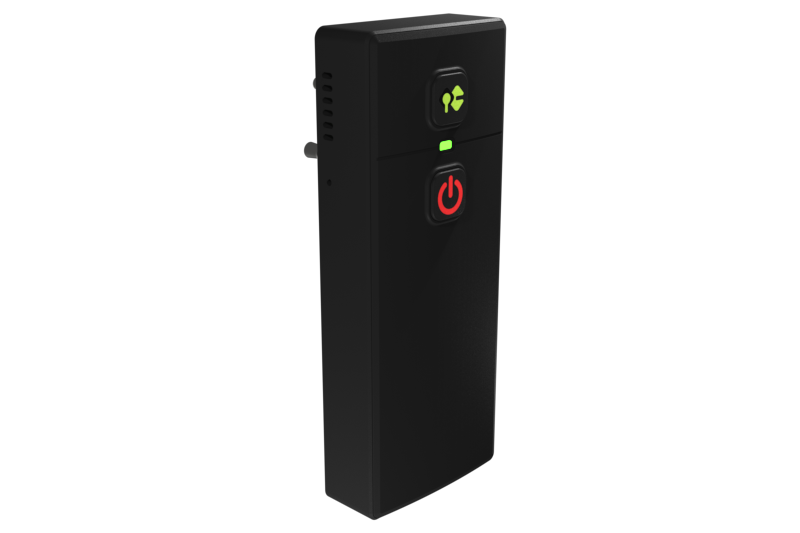 QuickComm Bridge Node $250 per unit |
|---|---|---|---|
| Best for | Team communication, meeting capture and personal assistant projects | Control rooms, front desks, briefings and note taking | Any audio source you want feeding your voice AI |
| Form factor | Over-the-ear wearable | Desk or wall unit | Belt-clip dongle |
| Power | 3 × 700 mAh hot-swap packs + rechargeable dock | USB-C rechargeable | USB-C rechargeable |
| Battery | ~8 h per pack, ~24 h combined | 1000 mAh internal, non-swappable | Integrated LiPo |
| Audio in | MEMS microphone | MEMS microphone, room distance | MEMS mic + host device audio path |
| Audio out | Integrated speaker | Integrated speaker | Integrated speaker + host device audio path |
| How it's worn / placed | Worn on the ear | Desk, table or wall mounted | Clips to belt, plugs into any audio jack |
| Lead time | Ships in 10 days | Ships in 10 days | Ships in 10 days |
| In the box |
|
|
|
Identical on all three devices
There is no "pro" tier here. The AI, the protocol, the languages and the fleet management are the same whichever unit you buy.
- Wi-Fi 802.11 b/g/n and Bluetooth 5.2 with an integrated antenna
- 24-bit audio codec with 16 kHz PCM capture
- 8 MB of on-board flash
- Two-way audio, with a microphone and speaker on every unit
- Push-to-talk framing with pre-roll buffering, so silence is never streamed
- Configurable stream endpoint: point every unit at your own backend
- Device behaviour configured per use case from the console
- QR-code provisioning and MAC-based device identity
- Over-the-air firmware updates and remote commands
- Health telemetry and offline detection
- 12-month warranty